Two days, three bowls of oats, and a group of high‑risk patients: a small experiment that startled even seasoned researchers.
Scientists in Germany say an ultra-focused oat regimen changed blood fats and gut bacteria at remarkable speed, raising fresh questions about how quickly food can reshape our health.
How two days of oats shifted cholesterol numbers
The study, led by a team at the University of Bonn and published in Nature Communications, looked at people with metabolic syndrome. These are patients with a combination of abdominal obesity, high blood pressure and disrupted blood sugar – all strong warning signs for future heart disease.
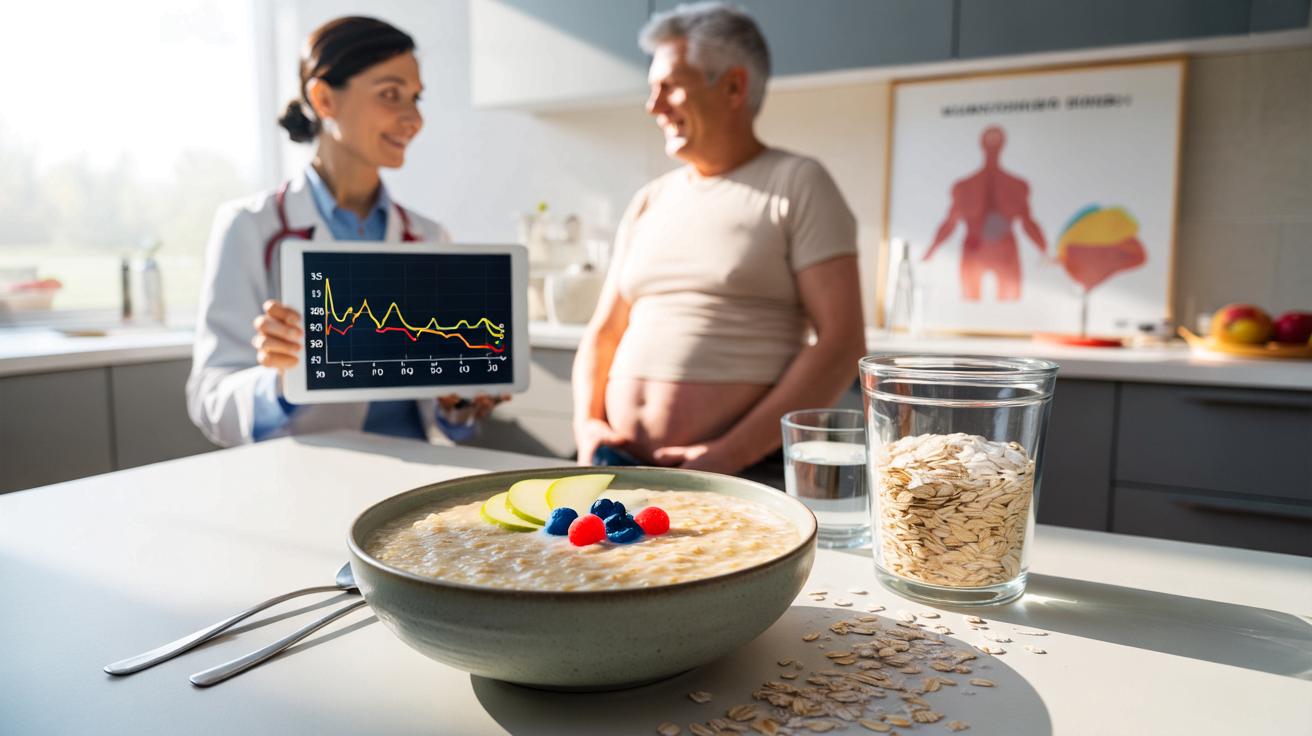
Volunteers followed a strict two-day plan. They swapped their usual meals for three bowls of plain, boiled oats per day, cooked in water. Only small amounts of fruit or vegetables were allowed as extras.
After just 48 hours, LDL cholesterol – often labelled “bad” cholesterol – dropped by about 16%, and total cholesterol fell by roughly 15%.
Those are the sort of numbers doctors often expect from weeks or months of lifestyle changes, not a single weekend of altered eating. To test whether it was simply about fewer calories, the researchers created a comparison group that also reduced calorie intake, but without oats. Their cholesterol levels did not improve nearly as much.
One twist surprised the team: the benefits did not vanish the moment people returned to their usual plates. For six weeks after the two-day oat phase, participants went back to a standard Western diet, without any special focus on oats. Yet the cholesterol improvements largely held up during this period.
This suggests a kind of “metabolic momentum” triggered by the short, intense intervention, rather than a fleeting blip caused by short-term calorie restriction.
What’s so special about oats?
Oats have long been promoted as heart-friendly. They are rich in soluble fibre, particularly beta-glucans, which form a gel in the gut and can help trap cholesterol and bile acids. But the Bonn study points to another, less familiar player: the gut microbiome.
Oats do not just feed us; they feed specific gut bacteria that in turn generate cholesterol-lowering compounds.
➡️ As the Moon Gradually Drifts Away From Earth, Our Days And Tides Quietly Change
➡️ Gut microbiome and daily flatulence: unexpected numbers
➡️ Loose eyelid syndrome can reveal a hidden sleep disorder
➡️ Because of our lifestyle, osteoarthritis is surging among young adults worldwide
➡️ Abandoned in adulthood, this habit could quietly extend your wellbeing
➡️ The “brain‑eating” amoeba shrugs off chlorine and slips into our water systems
➡️ Unexpected find: thousands of nests spotted beneath Antarctic ice
➡️ What if the key to fighting Alzheimer’s wasn’t in the brain, but in the muscles?
The researchers analysed stool samples before and after the two-day regimen. Within 48 hours, the composition of the gut flora shifted dramatically. One bacterial group in particular, known as Erysipelotrichaceae UCG-003, increased sharply. Previous work has linked this group to healthier ageing, and it appears to play a role in breaking down certain plant chemicals found in oats.
Blood tests revealed a spike in two metabolites: ferulic acid and dihydroferulic acid. These substances are produced when gut microbes dismantle phenolic compounds naturally present in oat grains. In lab tests, they seem to interfere with the liver’s production of cholesterol.
A natural echo of statin drugs?
The Bonn team believes these microbial by-products may act on the same enzyme targeted by statin medications: HMG-CoA reductase. This enzyme is central to the body’s cholesterol-making machinery.
The oat-triggered compounds appear to partially “quiet” the same enzyme that statins are designed to block.
That does not mean oats can replace prescription drugs for everyone. Statins are carefully tested, dosed and monitored. The oat effect, for now, comes from a small study and a very specific protocol. But the overlap hints at a powerful route: using food to shift microbial chemistry in ways that echo some drug actions.
Why the dose and timing matter
One of the more intriguing findings is that the dramatic cholesterol response only appeared with a concentrated, short burst of oats. When people ate a moderate amount of oats spread out over six weeks, the same changes did not show up.
This suggests that the microbiome may respond not just to what we eat, but to how intensely and how suddenly we eat it. A large, focused “pulse” of a single food seems to jolt certain microbes into action.
- Short, high-oat phase: three bowls a day for two days; strong cholesterol drop and microbiome shift.
- Calorie-matched phase without oats: less impact on cholesterol, despite similar energy intake.
- Longer, moderate oat intake: no clear repeat of the two-day metabolic shockwave.
Researchers are now considering a strategy where at-risk patients repeat a strict oat phase every six to eight weeks, almost like scheduling a nutritional “booster”. The ideal frequency and dose remain unclear, and larger trials will be needed.
Could this help people with metabolic syndrome?
For those living with metabolic syndrome, any safe, low-cost way to shave down cardiovascular risk is worth attention. Many of these patients already take several medications, from blood pressure tablets to glucose-lowering drugs and, often, statins.
An intense, short-term oat regimen could become an add‑on strategy, not a replacement for medical care.
Because oats are cheap, widely available and generally well tolerated, a weekend oat protocol might appeal to people who struggle with long-term dietary overhauls. Yet this approach is not appropriate for everyone. People with severe kidney disease, certain digestive disorders or very low body weight would need medical advice first. Those on cholesterol-lowering drugs should not stop them without talking to their doctor.
Trying an “oat weekend”: what it might look like
The study diet was quite stark, but a real-world version could follow a similar shape. For two consecutive days, a person might:
- Eat three main oat-based meals (porridge made with water or unsweetened plant milk).
- Add only modest portions of fruit or vegetables for flavour and micronutrients.
- Avoid added sugars, heavy fats and alcohol during the two days.
- Drink plenty of water to help manage the high fibre load.
Anyone on medication for diabetes would need to watch blood sugar levels closely, as changing carbohydrate patterns can alter requirements for insulin or tablets.
Understanding a few key terms
LDL cholesterol: Low-density lipoprotein particles carry cholesterol through the blood. High levels are linked to fatty build-up in arteries and a higher risk of heart attacks and strokes.
Metabolic syndrome: A cluster of conditions – including large waist size, raised blood pressure, abnormal blood fats and impaired blood sugar control – that together raise heart and diabetes risk.
Microbiome: The vast community of bacteria and other microbes living in the gut. These organisms help digest food, produce vitamins and create a range of signalling molecules that can affect organs throughout the body.
Beyond oats: what this means for food and medicine
The study feeds into a wider shift in nutrition science. Instead of only counting calories, sugar or fat, researchers are tracking how specific foods talk to specific microbes, and how those microbes then “talk” to organs such as the liver and brain.
It also raises practical questions. Could other fibre-rich grains or legumes generate similar cholesterol-lowering metabolites if eaten in a focused burst? Might combinations of foods – oats with berries, for instance, or oats with fermented foods – amplify the microbial response?
For now, the Bonn experiment suggests that targeted, short-term diets may one day sit alongside traditional prescriptions. Not as miracle fixes, but as scheduled interventions that nudge metabolism in a healthier direction, using ordinary foods in a rather precise way.